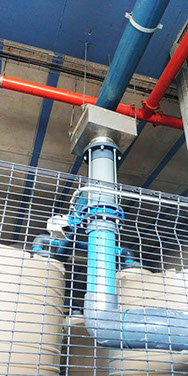
Rooftop catchments: In the most basic form of this technology, rainwater is collected in simple vessels at the edge of the roof. Variations on this basic approach include collection of rainwater in gutters which drain to the collection vessel through down-pipes constructed for this purpose, and/or the diversion of rainwater from the gutters to containers for settling particulates before being conveyed to the storage container for the domestic use. As the rooftop is the main catchment area, the amount and quality of rainwater collected depends on the area and type of roofing material. Reasonably pure rain water can be collected from roofs constructed with galvanized corrugated iron, aluminium or asbestos cement sheets, tiles and slates,although thatched roofs tied with bamboo gutters and laid in proper slopes can produce almost the same amount of runoff less expensively. However, the bamboo roofs are least suitable because of possible health hazards. Similarly, roofs with metallic paint or other coatings are not recommended as they may impart tastes or colour to the collected water. Roof catchments should also be cleaned regularly to remove dust, leaves and bird droppings so as to maintain the quality of the product water.